

Putting a full-stop to your Deep Vein Thrombosis Problem
DVT or Deep Vein Thrombosis refers to the blood clot formation in the deeper veins of the lower limb. The thrombosis may occur in the veins of the thighs, legs, and pelvis often. Although this condition is less prevalent when compared to other venous diseases, it is more fatal than the others.
DVT is found in 2-4 % of individuals per year which is less but the studies reveal that the fatality caused due to this disease is 30% within one month of its diagnosis. Considering this high fatality ratio, DVT should never be ignored and immediate steps need to be taken for its treatment.
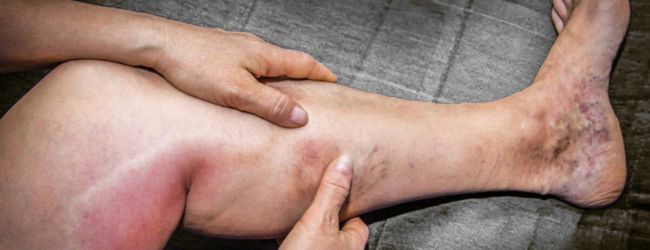
Symptoms of DVT in Leg
➤ Cramps and throbbing pain in leg around the calf.
➤ Swelling in the leg
➤ Redness and darkening of the skin around the painful part.
➤ Warm temperature around the painful area.
➤ Hardened and swollen veins that can be felt on touch.
➤ Worsening pain after prolonged standing
If you notice such symptoms you should immediately visit a vascular specialist.
Book Through Call
- +91 8019434242
Visit us
- Dr Saiteja Namala
- Medicover Hospital, Hi-Tech City
Pulmonary Thromboembolism
It is a life threatening complication of DVT. The blood clot in the leg veins gets dislodged and travels through inferior vena cava to the artery of the lung. This can cause heart failure. The condition is called as pulmonary thromboembolism and it is highly fatal. The patients with pulmonary embolism present with shortness of breath, chest pain, blood in cough and can collapse immediately if the clot is massive.
The Minimally Invasive Treatment Options For DVT
Intravenous and/or oral anticoagulation, that is blood thinning medications form the mainstay of DVT treatment. A vascular interventional radiologist can perform minimally invasive treatments to remove the clots from the veins and prevent the complications of DVT. Acute DVT treatments In the initial period of symptoms (approximately first 2 to 3 weeks), the clot in the veins is fresh and can be removed by advanced treatment methods. Mechanical Thrombectomy This treatment is a minimally invasive procedure where a specialized type of equipment is used to remove the clot from the vein with thrombosis. A small hollow catheter is inserted into the vein of the leg through a pinhole and clot is taken out through it by suction. This procedure reduces the risk of post-thrombotic syndrome which would ultimately reduce the valvular pressure and avoid valvular damage caused by the blood clot Intravenous Thrombolysis The catheter-directed thrombolysis is done in combination with anticoagulation therapy. A special catheter is inserted into the blocked vein through a small opening and clot bursting medication is injected over many hours. The powerful medication breaks the clot and normal blood flow is established in the veins.IVC Filter
The inferior vena cava (IVC) is the major vein that carries deoxygenated blood from the lower body to the heart. The placement of a filter in this vein is one of the options that can be used as a prophylactic treatment for pulmonary embolism. The filter device is mesh of metallic wires and traps any dislodged clot thereby minimizing the risk of pulmonary embolism. The procedure involves the placement of a filter in IVC through a small incision in the groin or neck with the help of a catheter.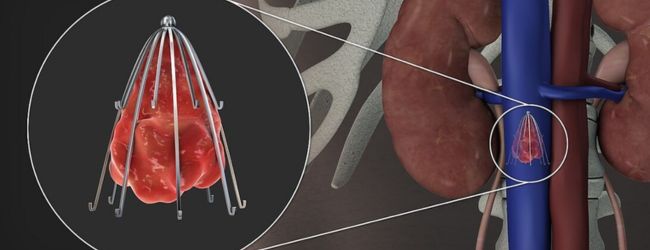
Chronic DVT Treatments:
Balloon Angioplasty
A skilled vascular interventional radiologist uses a small catheter for placing into the blocked vein and a wire guides it to the clot. The doctor then inflates the balloon in the catheter. The balloon helps in breaking the clot and widens the blocked area.
Endovenous Stenting
This method involves the placement of a stent (a mesh made up of metallic wires) in the blocked vein. This stent relieves the blockages and helps in restoring the normal blood flow. As a result, the severe symptoms of post-thrombotic syndrome gradually reduce ad patients can enjoy normal life again.
